 Noodle Pets
Is my child ready for a pet?
18 November 2026
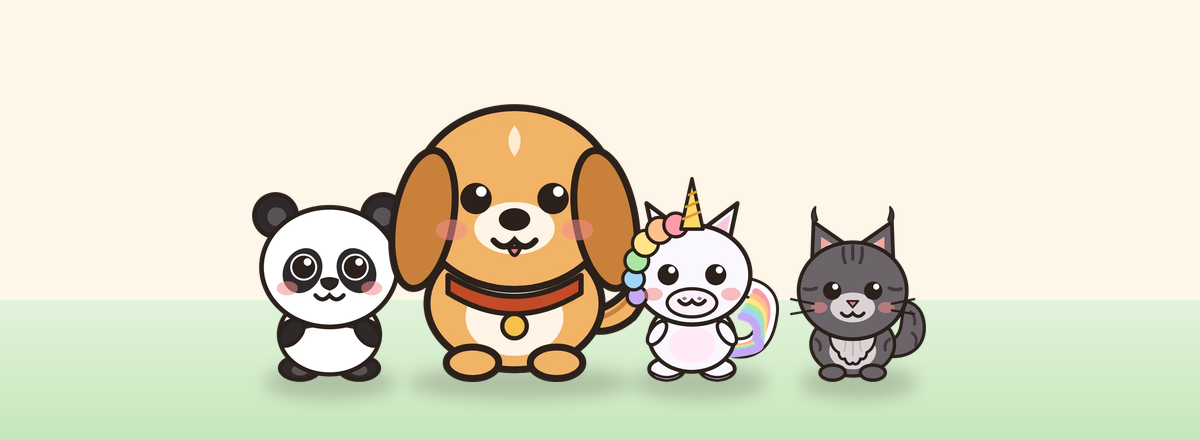
Most advice on this question is about the child. It is mostly about you, and pretending otherwise is how animals end up back at the shelter.
Here is the honest version, in the order that matters.
The question that comes first
If your child lost interest completely in three weeks, would you still be happy to have this animal for the next twelve years?
If the answer is no, stop here. Every other consideration is secondary, because this is the likeliest outcome. Children’s enthusiasm for a new animal is genuine and it is also, very often, temporary. The adult ends up doing the walks.
That is not a disaster if the adult wanted a dog anyway. It is a disaster if they did not.
About your household
- Can you afford the bad year? Not the food and the bed. The emergency surgery, the dental work, the medication for a chronic condition. Pets are cheap right up until they are not.
- Who does it when you are ill, away, or have a newborn? There will be a month like that. Name the person now.
- Does your housing actually allow it, in writing? Including the next place you might move to.
- Has anyone been properly tested for allergies? “She seems fine around my sister’s cat” is not a test.
- Are the hours there? A dog alone for nine hours a day is not a well dog.
About your child
Age matters less than people think. What matters is what they already do.
- Do they finish a boring job without being asked twice? Feeding an animal is boring by week three. That is the test, not the first fortnight.
- Can they be gentle when they are tired or cross? Animals get handled worst on bad days.
- Do they accept “leave it alone now”? A pet that cannot get away from a child becomes a pet that bites or scratches.
- Can they cope with the animal not wanting them? Cats in particular. A child who takes rejection personally will keep pushing.
- Have they wanted this for more than a few months? A want that has survived two birthdays is a different thing from one that started after a film.
- Do they understand that it will die? Not in detail, but enough that it will not be a complete ambush.
A six-week trial that costs nothing
Before you decide, run the daily reality without the animal.
Give your child one task that happens every single day, at a fixed time, that genuinely matters and that you will not do for them. Then watch for six weeks. Not two. The first fortnight is always good.
What you are looking for is not perfection. It is what happens on the day they forget: do they notice, mind, and put it right? That is the whole skill. A child who forgets and then fixes it is ready. A child who forgets and shrugs is not, yet.
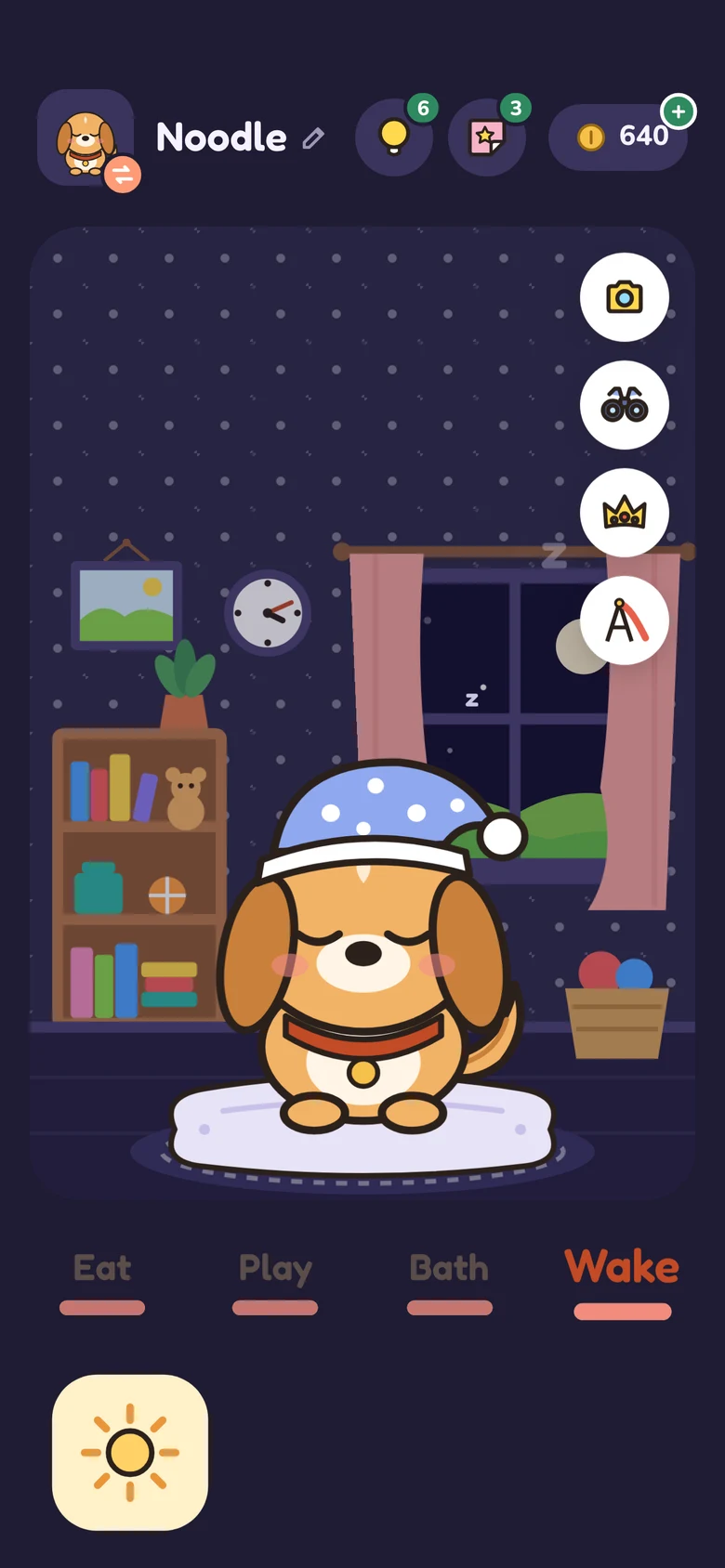
A virtual pet works well for this, because the forgetting has visible consequences and nothing actually suffers. So do plants, a daily job, or looking after a neighbour’s cat for a fortnight, which has the advantage of being a real animal.
If the answer is not yet
Not yet is a good answer, and it is far kinder than getting the animal and rehoming it in spring. Say what it depends on, give it a real timeline if there is one, and in the meantime find your child something that needs them.
The instinct behind the asking is worth encouraging even when the answer is no.
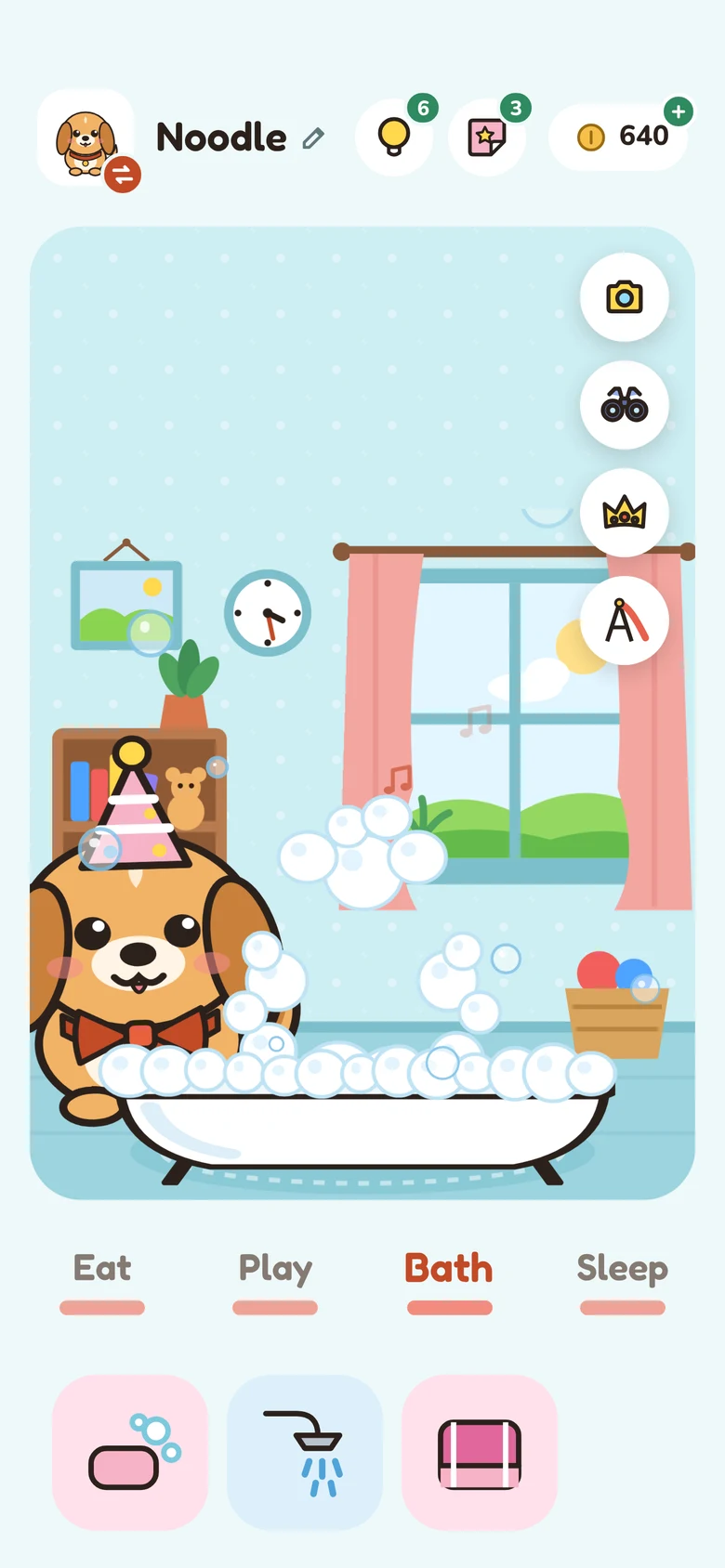
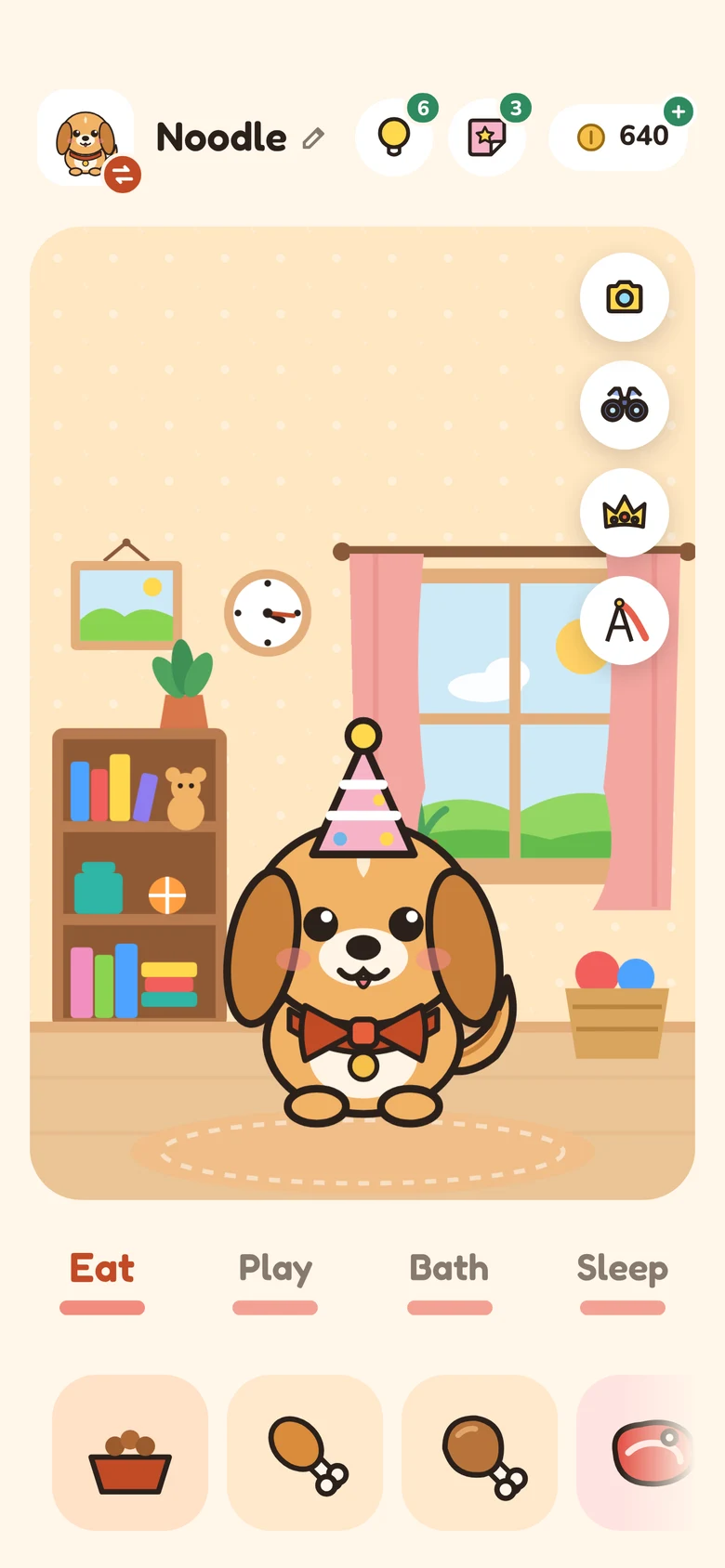
Noodle Pets is a virtual pet game for children aged four and up, and it is a reasonable way to run the six-week trial. The pet grows over real days and gets hungry whether or not the app is open, so forgetting shows.
No advertising, no tracking, no accounts, and the shop sits behind a maths question so a child cannot reach it alone.