 Noodle Pets
Your child wants a pet and you can’t have one
18 November 2026
A landlord who says no. An allergy. A flat that is too small, a job with too many hours, a budget that will not stretch to a vet bill. The reasons are ordinary, and none of them make the wanting go away.
If you have ever said “maybe when you’re older” and watched your child’s face, you already know the hard part. The answer is reasonable and it still feels like a disappointment you handed over personally.
There is no trick that makes a child stop wanting a dog. But the wanting is usually made of three separate things, and two of them you can do something about today.
What the wanting is actually made of
When a six-year-old asks for a puppy, they are asking for three things at once:
- Something soft to be near. Comfort, warmth, a body to lean on.
- Something that needs them. This one surprises parents. Children are looked after all day. Being the one who looks after something is a reversal they rarely get, and they want it badly.
- The specific animal. A golden retriever called Biscuit.
Only the third one requires an actual dog. The first two can be met in other ways, and if you meet them, the asking usually softens into something more like a long-term ambition than a daily ache.
Things that genuinely help
Borrow somebody else’s animal
The single most effective thing, and the most overlooked. Ask a neighbour with a dog whether your child can come on walks. Offer to feed a friend’s cat while they are away. Many people with animals are quietly glad of the help, and a child who has a standing Saturday appointment with a real dog is a different child from one who has none.
In some places you can also volunteer at a shelter as a family, usually from a certain age. It is worth a phone call.
Give them something real to be responsible for
Not a substitute animal. An actual job that matters and that nobody else will do if they do not do it. Watering the plants on Tuesdays. Filling the bird feeder. A worm bin, if you can face it. The point is not the task, it is that something depends on them and notices when they forget.
Fish and small animals get suggested here a lot. Be careful: a hamster is a real animal with real needs and a real vet, and “starter pet” is how a lot of hamsters end up neglected by February. If you cannot commit to the animal yourself, do not buy it for the child.
Be honest about why, and about when
“We can’t” lands badly. “Our landlord doesn’t allow animals in this building, so not while we live here” lands differently, because it is a fact about the world rather than a judgement about them. Children handle a real reason far better than a vague one.
If there is a genuine future in which it could happen, say what it depends on. If there is not, say that too. A child who knows the answer is settled stops relitigating it every week.
Let them practise looking after something
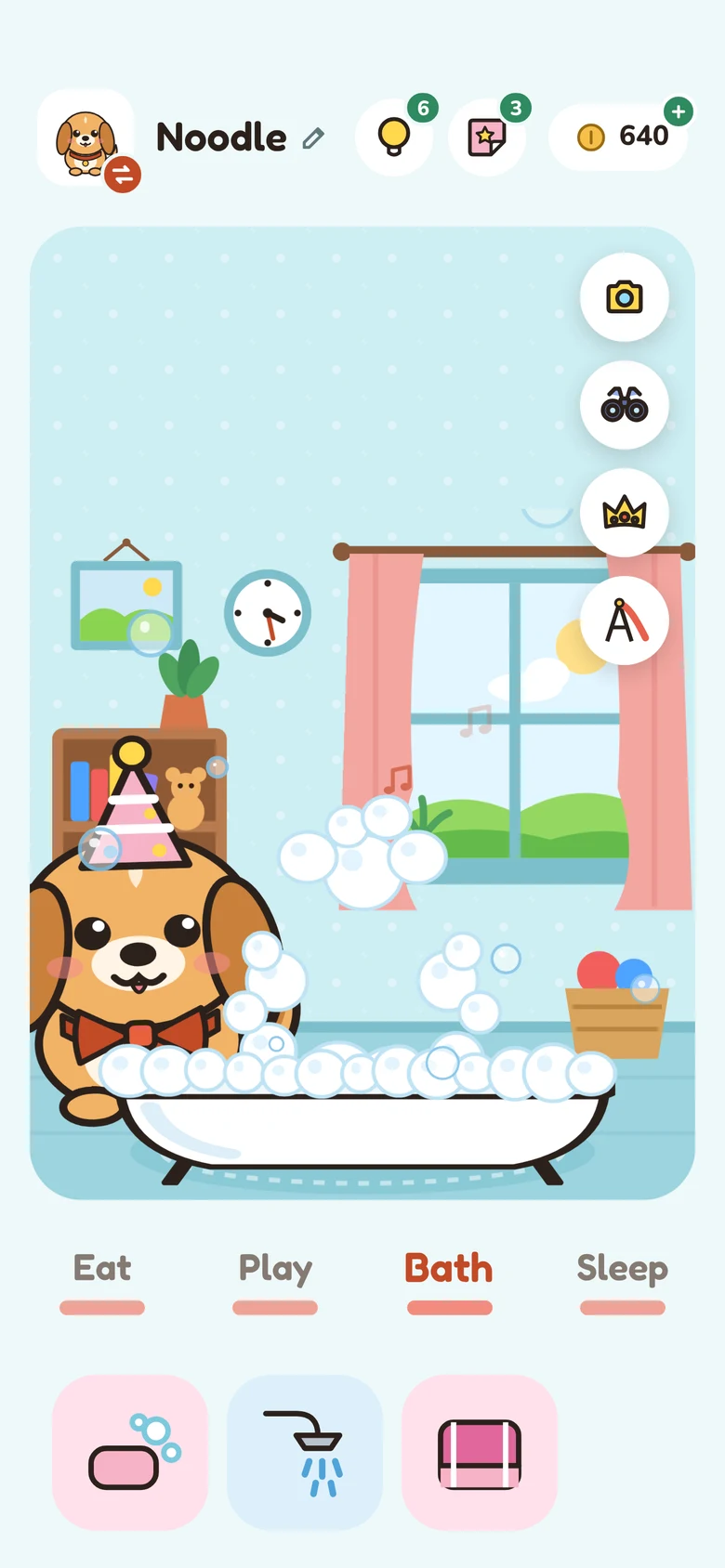
A virtual pet is not a dog and should never be sold as one. What it is good at is the second thing on the list: being something that needs them, every day, in small ways, with consequences if they forget.
That is a real skill, and children who get good at it tend to be more convincing when they next make the case for an actual animal. It is also a cheap, low-risk way for you to find out whether the enthusiasm survives contact with a daily chore.
What not to do
- Don’t get the animal to stop the asking. An animal acquired under pressure usually ends up being looked after by an adult who did not want it. That is how pets get rehomed.
- Don’t promise a vague someday. It converts one disappointment into a hundred small ones.
- Don’t treat the request as silly. Wanting something to care for is one of the better instincts a child can have. The answer can be no without the wanting being wrong.
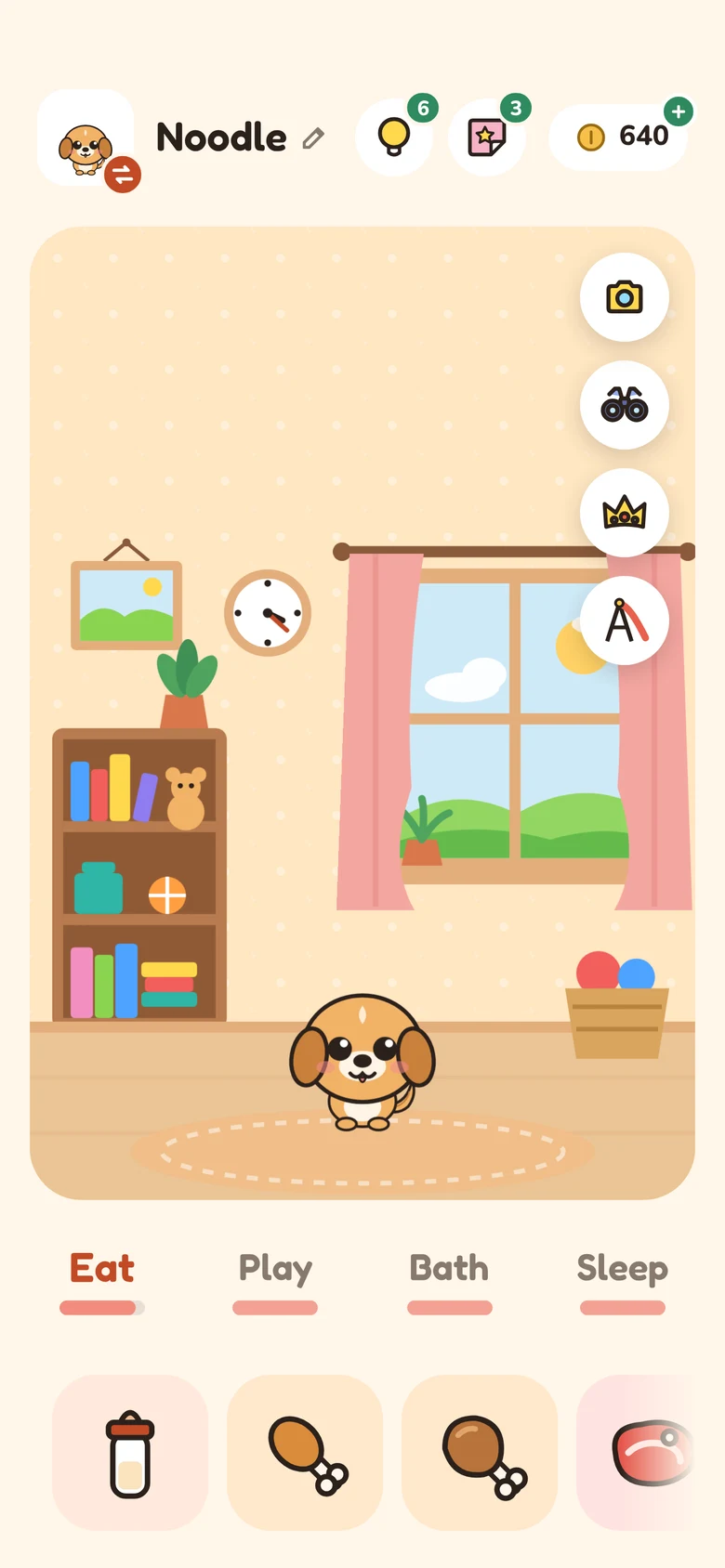
Noodle Pets is a virtual pet game we made for children aged four and up, partly for exactly this situation. You adopt a pet, name it, and look after it every day. It grows over real days, so a pet raised for a month is different from one adopted yesterday, and it does notice when you have been away.
No advertising, no tracking, no accounts. Every purchase screen sits behind a maths question, so a child cannot reach the shop on their own.